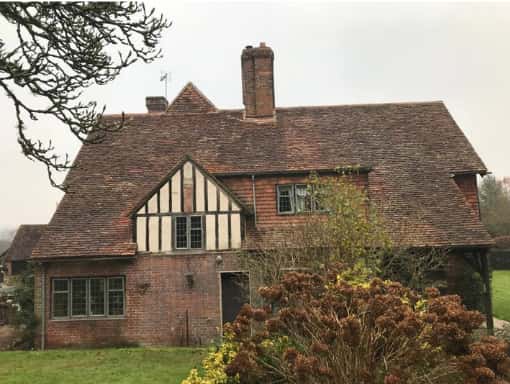
A roof that looks mossy, faded or heavily weathered can naturally cause concern. From ground level, an older roof may appear to be approaching the end of its useful life, particularly when tiles have lost their original appearance or significant moss growth has developed. However, appearance alone does not determine whether a roof needs replacing.
For homeowners in Sittingbourne, Kent, the important question is how the roofing system is actually performing. At Sittingbourne Roofing Services, we assess the overall condition of a roof before recommending repairs, maintenance or replacement. In many cases, an experienced inspection can distinguish between cosmetic ageing and deterioration that genuinely affects the roof’s ability to protect the property.
Moss Does Not Automatically Mean the Roof Has Failed
Moss commonly develops on roofing surfaces where conditions allow moisture to remain for extended periods. Its presence can make a roof look significantly older, but moss growth by itself does not necessarily mean that the underlying roofing system has failed.
What matters is the condition of the tiles beneath it.
If the tiles remain structurally sound, properly positioned and capable of performing their intended function, complete roof replacement may not be necessary. A professional assessment provides a much clearer picture than appearance alone.
Why Moss Should Still Be Taken Seriously
Although moss does not automatically justify a new roof, heavy growth should not simply be ignored.
Established moss can retain moisture around the roof covering and accumulate around joints and drainage areas. Loose material can also move into gutters, potentially interfering with the efficient movement of rainwater.
The appropriate response depends on the extent of the growth and the condition of the roof beneath it. This is why inspection should come before assumptions about replacement.
Weathering Is a Normal Part of Roof Ageing
Roofing materials spend their entire service life exposed to the elements. Rain, wind, frost, sunlight and changing temperatures gradually alter their appearance.
Tiles may become:
- Faded
- Discoloured
- Rougher in appearance
- Marked by organic growth
- Less uniform in colour
These changes do not necessarily mean that the roof is no longer serviceable.
The distinction between normal weathering and material deterioration is important when deciding what work, if any, is required.
When Weathering Becomes More Significant
A weathered appearance becomes more concerning when it is accompanied by physical defects.
Signs worth investigating include:
- Cracked or broken tiles
- Multiple slipped tiles
- Deteriorating ridge or hip areas
- Repeated water ingress
- Loose or failing roof components
- Widespread surface deterioration
- Problems occurring across several parts of the roof
When multiple defects develop together, the issue may extend beyond cosmetic ageing.
Individual Defects May Only Require Repairs
An older roof can still have considerable useful life remaining even if individual components need attention.
For example, a small number of damaged tiles may be replaceable without renewing the entire roof. Flashing, ridge details or other localised defects can also often be repaired independently where the surrounding roofing system remains sound.
Good roofing practice involves matching the scale of the work to the actual condition of the roof rather than assuming that an older appearance means complete replacement.
Look at the Roof as a Complete System
The visible tiles are only one part of a roof. Its performance also depends on the condition of components beneath and around the covering.
A professional roof assessment may consider:
- Tiles or slates
- Ridge and hip details
- Flashing
- Underlay
- Battens and fixings
- Valleys and junctions
- Roofline components
- Evidence of water ingress
Looking at these areas together provides a far more reliable indication of the roof’s condition.
Repeated Problems Can Change the Picture
The history of the roof is also important.
A moss-covered roof that remains structurally sound and weather-resistant presents a very different situation from an ageing roof that has developed several leaks, widespread tile damage and recurring repair requirements.
Where individual problems continue appearing across different sections, it may indicate that several components are reaching an advanced stage of deterioration at roughly the same time.
In those circumstances, replacement roofing may become the more appropriate long-term solution.
Internal Warning Signs Matter Too
Not every roofing problem can be identified by looking at the exterior.
Homeowners should also pay attention to changes inside the property, including:
- Damp patches on ceilings
- Water staining
- Signs of moisture in the roof space
- Persistent leaks during rainfall
- Visible deterioration around internal roof areas
These symptoms can indicate that the roof’s weather protection has been compromised, even when the exterior damage is difficult to identify.
Avoid Judging a Roof Solely From Ground Level
A roof can look tired while remaining serviceable, just as a relatively tidy-looking roof can contain hidden defects.
This is why visual appearance should only be treated as one part of the assessment.
Professional roofers can examine areas that homeowners cannot safely or clearly inspect from ground level. This allows decisions to be based on the condition and performance of the roofing system rather than simply how old it looks.
When Might Replacement Be Appropriate?
Roof replacement becomes more relevant when deterioration is widespread rather than isolated.
This may be the case where the roof has numerous failing tiles, recurring leaks, deteriorated supporting components or several areas requiring substantial attention.
Replacement then provides an opportunity to address the roofing system comprehensively rather than continuing to repair individual symptoms.
However, this recommendation should follow a proper assessment rather than being based solely on moss growth or weathering.
Why Professional Assessment Is Valuable
Knowing the difference between a roof that looks old and one that is genuinely failing requires experience.
At Sittingbourne Roofing Services, we assess the condition of the complete roof before recommending the appropriate work. Where targeted repairs or maintenance remain suitable, there may be no reason to replace a serviceable roofing system. Where deterioration is more extensive, we can identify the underlying problems and advise on the appropriate next step.
This measured approach helps homeowners make informed decisions based on what their roof actually requires.
Conclusion
Moss growth and weathering do not automatically mean that a roof needs replacing. Many roofs naturally change in appearance as they age while continuing to provide dependable protection. The more important factors are the physical condition of the roofing materials, the integrity of supporting components and whether problems such as leaks, slipping tiles or widespread deterioration are developing.
For homeowners in Sittingbourne, Kent, Sittingbourne Roofing Services provides professional roof inspections, repairs and replacement roofing based on the individual condition of each property. If your roof looks heavily weathered or mossy and you are unsure whether it needs attention, a professional assessment can establish whether maintenance, targeted repairs or more extensive roofing work is genuinely required.
Call us on: 01795 718695
Click here to find out more about Sittingbourne Roofing Services
Click here to complete our contact form and see how we can help with your roofing needs.