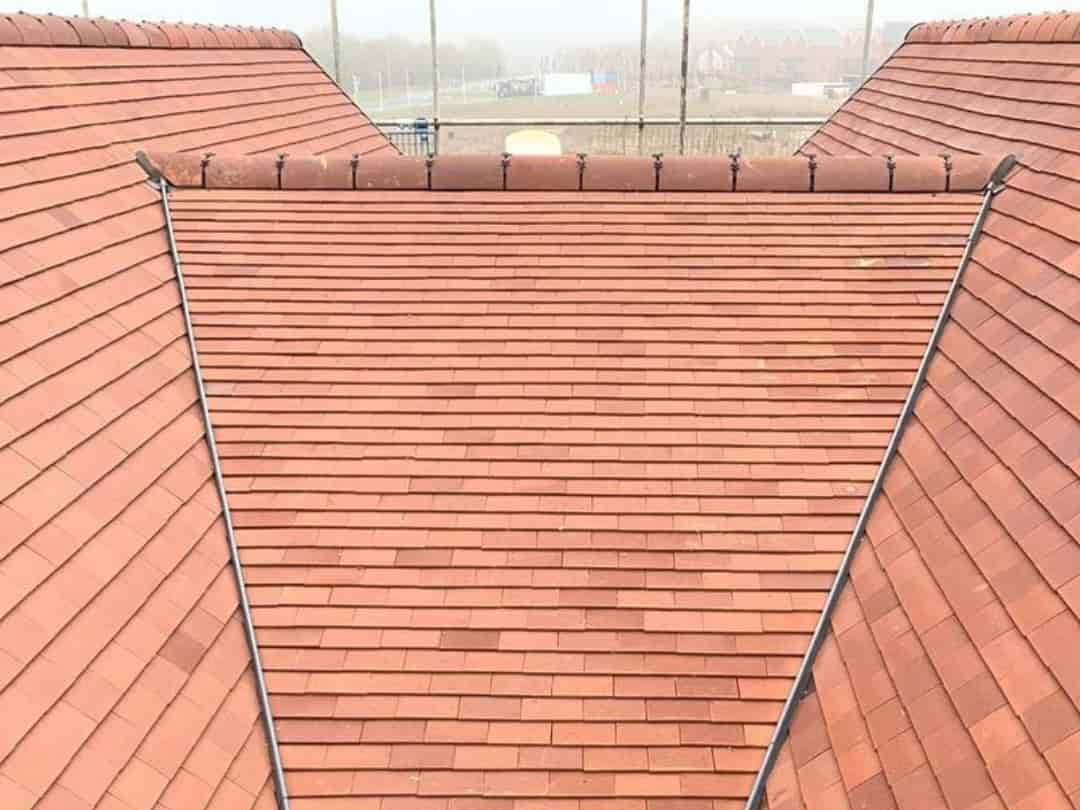
A missing roof tile may seem like a minor issue, particularly if there are no immediate signs of water entering the property. However, even a small gap in a tiled roof can expose the underlying materials to rain, wind and other weather conditions. If left unattended, this damage can gradually develop into more serious roofing problems.
Roof tiles form an important protective layer, helping direct rainwater away from the roof structure. When one becomes dislodged or falls away, the surrounding tiles and exposed components may become more vulnerable. For homeowners in Sittingbourne, Kent, understanding the potential consequences of a missing roof tile can help prevent avoidable damage.
How One Missing Roof Tile Affects Your Roof
Roof tiles are arranged to overlap, creating a protective covering that allows rainwater to run down the roof and into the guttering system. Each tile contributes to this arrangement, so a missing tile can leave part of the roof exposed.
The gap may allow wind-driven rain to reach the roofing underlay, battens and other supporting components. Although the underlay provides an additional layer of protection, it is not intended to remain exposed to the elements indefinitely.
A missing tile can also affect neighbouring tiles. Strong winds may disturb loose or weakened tiles around the gap, potentially causing further sections of the roof covering to become displaced.
Water Ingress and Internal Damp Problems
One of the main risks associated with missing roof tiles is water ingress. Rainwater can penetrate through the exposed area, particularly during prolonged rainfall or when strong winds push water beneath surrounding tiles.
Once moisture enters the roof structure, it may cause several problems, including:
- Damp patches on ceilings and upper walls.
- Water staining and peeling paint.
- Damage to loft insulation.
- Moisture affecting roof timbers and battens.
- Mould growth in poorly ventilated areas.
The location of an internal damp patch does not always correspond directly with the missing tile. Water can travel along the underlay or structural components before becoming visible inside the property. This makes professional investigation important when identifying the actual source of a leak.
Damage to Roof Underlay and Battens
The roof underlay sits beneath the tiles and provides secondary protection against wind-driven rain and debris. When a tile is missing, this layer becomes more exposed to direct weather conditions.
If the underlay is already ageing or damaged, continued exposure may lead to tearing or deterioration. Once its protective function is compromised, rainwater can reach the timber battens and roof structure.
Battens support the roof tiles and help keep them correctly positioned. Prolonged moisture exposure can cause timber to weaken or deteriorate, potentially affecting how securely the surrounding tiles are held in place.
This is why replacing the missing tile alone may not always be sufficient. The surrounding materials should also be checked for signs of damage.
Why Strong Winds Can Make the Problem Worse
A missing tile can leave neighbouring tiles more vulnerable, especially during periods of strong wind. Wind can lift or shift poorly secured tiles, creating additional openings through which rainwater can enter.
The original tile may have been dislodged by deteriorating fixings, damaged battens or previous weather-related movement. If the underlying cause is not addressed, simply replacing the tile could leave the roof vulnerable to repeated problems.
After particularly windy weather, it is sensible to look for visible signs of displaced or missing tiles from a safe position on the ground. Avoid climbing onto the roof, as loose tiles and damaged sections can create a serious safety risk.
Signs That a Missing Roof Tile Has Caused Further Damage
Not all roofing damage is immediately visible from outside. Alongside the missing tile itself, homeowners should watch for warning signs that suggest moisture or structural components may have been affected.
These include:
- Water stains appearing on ceilings or around loft spaces.
- Damp or musty smells in the loft.
- Visible daylight through gaps in the roof covering.
- Wet or compressed loft insulation.
- Loose, cracked or displaced tiles near the affected area.
- Deterioration of exposed timber components.
If any of these signs appear, arrange a professional roof inspection. Identifying the extent of the damage early can help prevent a relatively straightforward repair from developing into more extensive work.
Why Prompt Roof Tile Repairs Matter
Replacing a missing roof tile promptly helps restore the roof’s protective covering and reduces the opportunity for rainwater to enter. However, the repair should begin with an assessment of the surrounding area.
A roofing professional can check whether the supporting battens, underlay and neighbouring tiles remain in good condition. They can also investigate why the original tile became dislodged, helping to prevent the same issue from recurring.
Depending on the findings, the work may involve replacing the missing tile, securing surrounding tiles or repairing damaged sections beneath the roof covering.
Addressing the underlying cause is essential to achieving a reliable repair rather than simply treating the visible gap.
Professional Roof Tile Repairs in Sittingbourne, Kent
A missing roof tile should never be dismissed simply because there is no immediate leak. Even a small opening can expose important roofing components to moisture and weather damage, particularly when the roof covering or underlay is already showing signs of age.
Sittingbourne Roofing Services provides roofing repair services in Sittingbourne, Kent, helping homeowners identify missing or damaged tiles and assess any related problems. Whether a tile has fallen following strong winds or you have noticed signs of water ingress, professional attention can help establish the appropriate repair.
If you have spotted a missing roof tile or are concerned about the condition of your roof, contact Sittingbourne Roofing Services to discuss your requirements.
Conclusion
One missing roof tile can lead to more serious roofing problems if the exposed area is left unprotected. Water ingress, damaged underlay, deteriorating battens and further tile displacement are all potential consequences.
Prompt inspection and suitable repairs help restore the roof’s protection and reduce the risk of additional damage. For property owners in Sittingbourne, Kent, dealing with missing roof tiles early is a sensible way to maintain a secure and weather-resistant home.
Call us on: 01795 718695
Click here to find out more about Sittingbourne Roofing Services
Click here to complete our contact form and see how we can help with your roofing needs.